Building Smart and High-Converting Websites with Elementor
At the advanced stage, I realized something important—it’s not about knowing every feature, but about using the right features effectively. This is where you move from learning to creating real, functional websites.
One of the most powerful features in Elementor is the Theme Builder. Instead of relying on pre-made themes, you can design your own header, footer, blog pages, and more. This gives you full control over your website design.
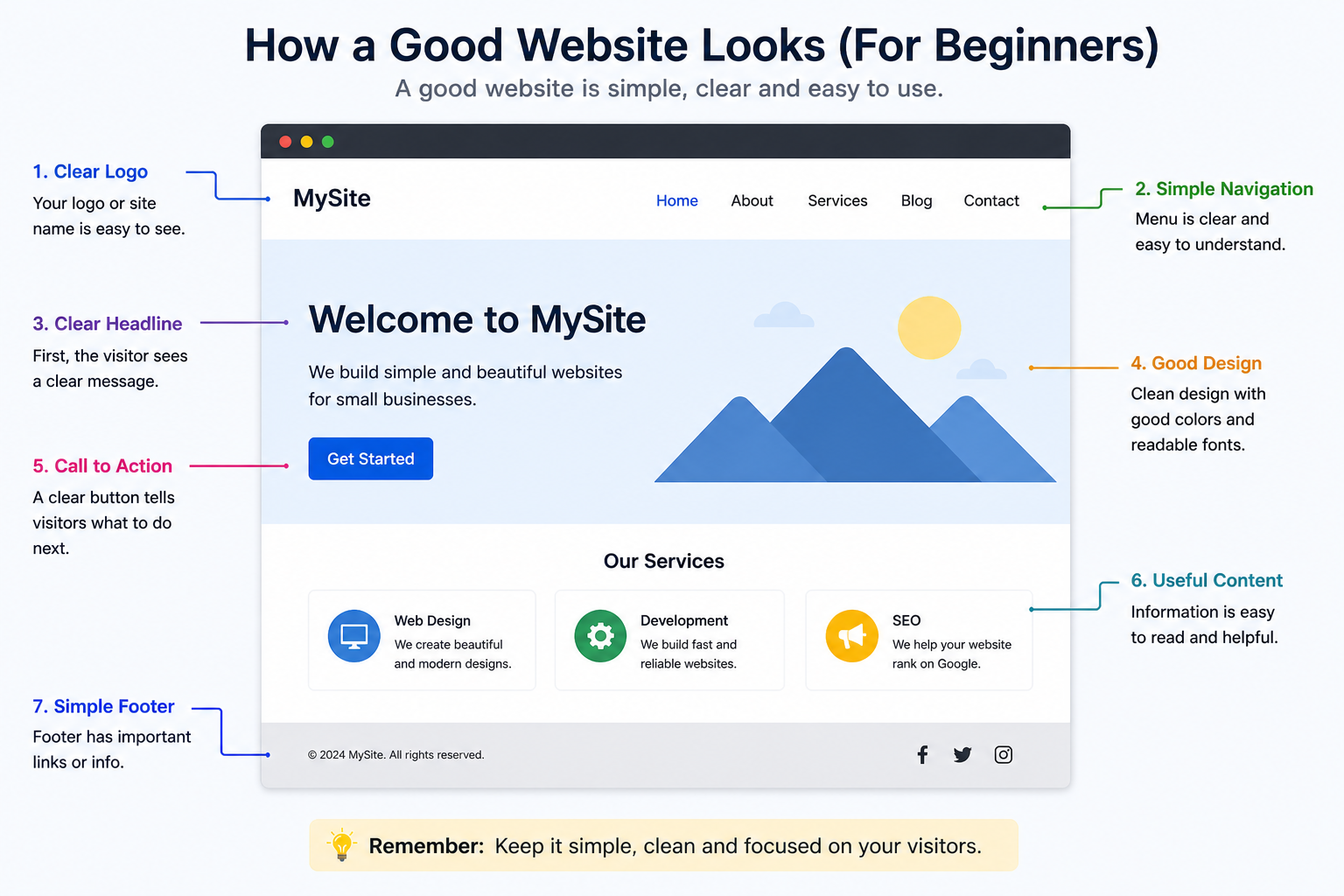
Dynamic content is another feature that changed how I build websites. Instead of manually creating every page, you can design templates that automatically pull content like blog posts or user data. This is especially useful for larger websites.At this stage, design is not just about visuals it’s about conversion. A website should guide users to take action. Whether it’s contacting you, signing up, or buying something, every page should have a clear goal.This is where conversion focused design comes in. You need strong call – to-action buttons, trust elements like testimonials, and a simple navigation system. The user should always know what to do next.
Performance optimization is also very important. A slow website can lose visitors quickly. I started compressing images, reducing unnecessary plugins, and using caching tools to improve speed.User experience (UI/UX) becomes a major focus. Using white space properly, maintaining visual hierarchy, and keeping content easy to read can greatly improve your website. Good design is not about adding more it’s about removing what’s not needed.At this level, you can start building real projects like personal branding websites, service pages, or landing pages. These projects help you apply your knowledge and also build your portfolio.
The biggest shift for me was mindset. I stopped thinking like a learner and started thinking like a creator.